
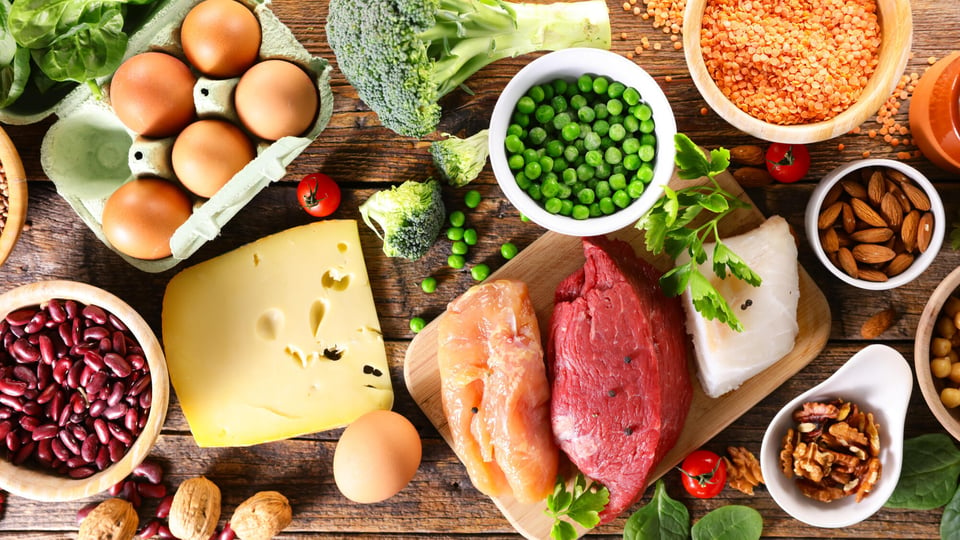
The best protein sources for seniors come from lean animal proteins, plant-based proteins, and also from protein powders and shakes.
Protein plays a critical role in healthy aging, yet many older adults don't get enough of it. As we age, the body becomes less efficient at using protein, while muscle loss, slower recovery, and cognitive support through diet become more needed. The right types and amounts of protein can help seniors maintain strength, support brain function, and preserve independence well into later life.
Understanding how the best protein for seniors works in the aging body, and choosing the best sources, can make a meaningful difference in daily energy, mobility, and mental sharpness in Bullhead, AZ.
Senior Nutrition and Protein
Protein provides amino acids that help:
- Maintain and rebuild muscle tissue
- Improve balance and strength
- Support recovery after illness or injury
- Enhance endurance for daily activities
Research shows that seniors often need more protein per pound of body weight than younger adults to achieve the same muscle-building effect. That's why protein-rich senior diets are so important.
Protein's Role in Brain Health
Protein isn't just for muscles; it's also essential for cognitive function. Amino acids are building blocks for neurotransmitters such as dopamine and serotonin, which influence:
- Memory and learning
- Focus and alertness
- Mood regulation
- Sleep quality
Adequate protein intake may help slow cognitive decline by supporting brain cell communication and overall neurological health.
How Much Protein Do Seniors Need Daily?
While individual needs vary, many experts suggest seniors aim for 1.0-1.2 grams of protein per kilogram of body weight per day, and more if physically active or recovering from illness.
For example:
- A 150-pound senior may benefit from 68-82 grams of protein daily
- Spreading protein evenly across meals improves absorption and effectiveness
Best Protein Sources for Seniors
Not all protein sources are equally beneficial for aging adults. The best options are nutrient-dense, easy to digest, and versatile.
Lean Animal Proteins
Choose lean animal protein sources like:
- Eggs: Easy to chew, rich in leucine (a muscle-supporting amino acid)
- Fish: Provides protein plus omega-3s for brain health
- Chicken and Turkey: Lean, high-quality protein with minimal fat
- Dairy (Greek yogurt, cottage cheese): Combines protein with calcium and probiotics
These proteins contain all essential amino acids, making them especially effective for muscle maintenance.
Plant-Based Proteins
Plant proteins can be excellent options, especially when combined properly.
- Beans and Lentils: High in fiber and protein
- Tofu and Tempeh: Soft texture and easy digestion
- Nuts and Seeds: Protein plus healthy fats for brain support
- Whole Grains: Contribute smaller amounts of protein throughout the day
Pairing different plant proteins helps ensure a complete amino acid profile.
Protein Drinks and Powders for Seniors
For seniors with low appetite or difficulty eating large meals, protein drinks can be a practical solution. Here are some benefits of protein drinks:
- Easy to consume
- Provide consistent protein intake
- Can include added vitamins and calories
- Helpful between meals or after activity
Look for protein drinks that offer:
- 15-30 grams of protein per serving
- Low added sugar
- Easy digestibility
Protein powders mixed with milk or fortified plant beverages can also help meet daily needs.
Timing Protein Intake for Best Results
Seniors benefit most when protein is spread evenly throughout the day rather than concentrated in one meal.
Helpful strategies include:
- Including protein at every meal
- Adding protein-rich snacks
- Drinking protein shakes between meals
- Pairing protein with light resistance or walking exercises
This approach maximizes muscle protein synthesis and supports sustained energy.
Balancing Protein With Other Nutrients
Protein works best when combined with:
- Healthy fats for brain support
- Fiber for digestion
- Vitamins and minerals for overall health
A balanced diet ensures protein supports the whole body, not just muscles.
Staying Consistent for Long-Term Benefits
The greatest benefits come from consistency. Seniors who regularly consume adequate protein often experience:
- Improved strength and balance
- Better mental clarity
- Reduced fatigue
- Greater independence
Protein doesn't need to be complicated -- simple, enjoyable choices make it easier to maintain healthy habits.
Frequently Asked Questions
Why Is Protein Especially Important for Seniors?
Protein helps counteract age-related muscle loss, supports strength and balance, and provides amino acids needed for brain function. Adequate protein intake can help seniors stay active, independent, and mentally sharp.
How Much Protein Should Seniors Eat Each Day?
Most seniors benefit from about 1.0-1.2 grams of protein per kilogram of body weight daily. Individual needs may be higher for those who are active or recovering from illness.
What Is the Best Protein Source for Brain Health?
Fish, eggs, dairy, and plant proteins like nuts and seeds support brain health by providing amino acids and healthy fats. Omega-3-rich fish is especially beneficial for cognitive function.
Are Protein Drinks a Good Option for Older Adults?
Yes. Protein drinks are helpful for seniors with low appetite or difficulty eating. They offer an easy way to increase protein intake between assisted living meals without replacing whole foods.
Should Seniors Eat Protein at Every Meal?
Yes. Spreading protein evenly across meals improves absorption and supports muscle maintenance more effectively than consuming most protein at one time.
Can Seniors Get Enough Protein on a Plant-Based Diet?
Absolutely. With careful planning and a variety of plant protein sources, seniors can meet their protein needs while benefiting from fiber and antioxidants.
Is Too Much Protein Harmful for Seniors?
Excess protein may be a concern for seniors with kidney disease or certain medical conditions. It's best to consult a healthcare provider to determine safe and appropriate intake levels.
Eating the Best Protein for Seniors Every Day
Protein is one of the most powerful healthy aging foods. By choosing the best protein for seniors, spreading intake throughout the day, and adapting to individual needs, seniors can support both brain and muscle health well into later life.
At Davis Place, a premium senior living community situated in Bullhead, AZ, our chefs are talented at creating delicious dishes that are also healthy and nutritious. Our signature program, Elevate® Dining, is lauded for its beneficial effects on our residents' well-being.
Schedule a tour of our community to taste our cuisine and test out our amenities.