
Many families face a difficult decision when a loved one needs assisted living. They often wonder if they should sell the family home to cover care costs. The good news is that selling your house is not always necessary. Several financial strategies and programs can help you pay for assisted living without selling your house, preserving an important family asset. Understanding these options can bring clarity and confidence during this transition.
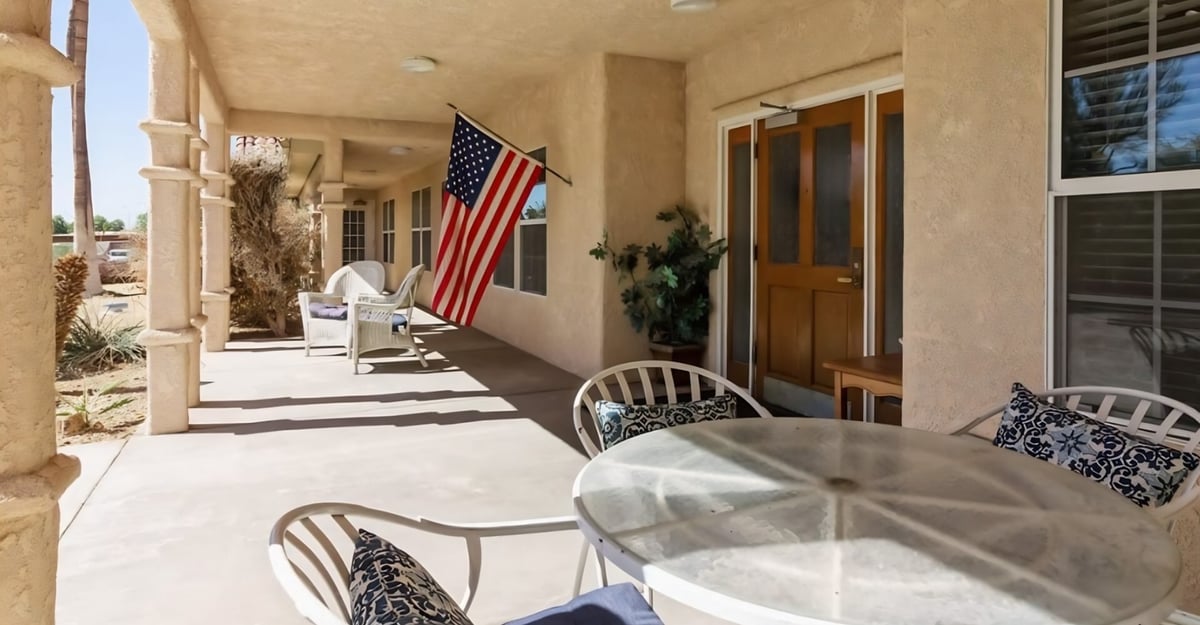
At Davis Place in Bullhead City, AZ, residents enjoy comfortable apartment homes, welcoming shared spaces, and engaging programs like Vibrant Life® and Elevate® Dining. Exploring financial options early can help families choose a supportive community like this without rushing into major financial decisions.
Explore Options Before Making a Major Decision
It’s important to review all available resources before making any major decisions. From government programs to flexible financing solutions, there are multiple ways to manage assisted living costs while maintaining home ownership.
Families often find that combining several strategies creates a more sustainable approach, especially when planning for both immediate and long-term needs.
Understanding Reverse Mortgage Options
A reverse mortgage allows homeowners age 62 and older to convert home equity into cash without selling the property or making monthly payments. This can be a helpful solution when financing senior assisted living, while still keeping your home.
Funds from a reverse mortgage can be received in several ways:
- Lump sum payment for immediate expenses
- Monthly payments for ongoing assisted living costs
- Line of credit for flexible access to funds
This option can work well for those with significant home equity but limited savings. However, it is important to understand the fees involved and how they may affect your estate. A reverse mortgage for assisted living should be reviewed with a financial advisor to ensure it fits your overall financial plan.
Veterans Aid and Attendance Benefits
Veterans and their spouses may qualify for Veterans Aid and Attendance benefits, which can help offset monthly assisted living expenses. This VA pension program provides additional income for individuals who need support with daily activities.
To qualify, veterans must have served during wartime and meet certain income and asset requirements. In many cases, the primary residence is not counted as part of these limits, making this a valuable option for those who want to maintain homeownership.
Since the application process can take time, starting early is important. Many communities, including Davis Place, can help families understand next steps and available resources.
Medicaid Waiver Programs and Home Protection
Medicaid waivers for assisted living programs may help cover services while allowing you to keep your home as an exempt asset. These programs are designed to support individuals in community-based settings rather than institutional environments.
Each state administers its programs differently, with varying eligibility requirements and coverage levels. Some programs have waiting lists, while others provide more immediate access. Working with a Medicaid planning professional can help you understand your options and structure your finances appropriately.
Renting Your Home for Additional Income
Renting out your home can create a steady income stream to help cover assisted living costs without selling the property. This approach allows families to maintain ownership while using the home as a financial resource.
Many families choose to work with a property management company to handle day-to-day responsibilities. This can include managing tenants, coordinating maintenance, and collecting rent. While it may reduce net income slightly, it can also simplify the process and reduce stress.
Keep in mind that rental income may affect eligibility for certain financial assistance programs. It is helpful to review these details with a financial advisor when building your plan.
Long-Term Planning for Sustainable Support
Long-term care insurance and hybrid policies can also help cover assisted living costs without a home sale. These policies may provide daily or monthly benefits that reduce reliance on personal assets.
A strong financial plan often includes a mix of resources:
- Insurance benefits and existing savings
- Government programs such as VA benefits or Medicaid waivers
- Income strategies like renting your home
Families exploring senior living in Bullhead City, often find that planning ahead provides more flexibility and peace of mind. At Davis Place, residents benefit from restaurant-style dining, a full calendar of programs, and thoughtfully designed apartment homes that support comfort and connection.
To learn more, explore our Assisted Living options in Bullhead City or see how our Vibrant Life® programs support daily engagement.
Creating a Plan That Works for Your Family
Financial situations can change over time, so flexibility is important. Reviewing your plan regularly helps ensure your loved one’s needs are met while protecting valuable assets like your home.
With the right combination of resources, it is possible to pay for assisted living without selling your house. Thoughtful planning allows families to focus on what matters most: choosing a welcoming community where residents feel supported and engaged each day.
Schedule a visit and see what makes our community special.